
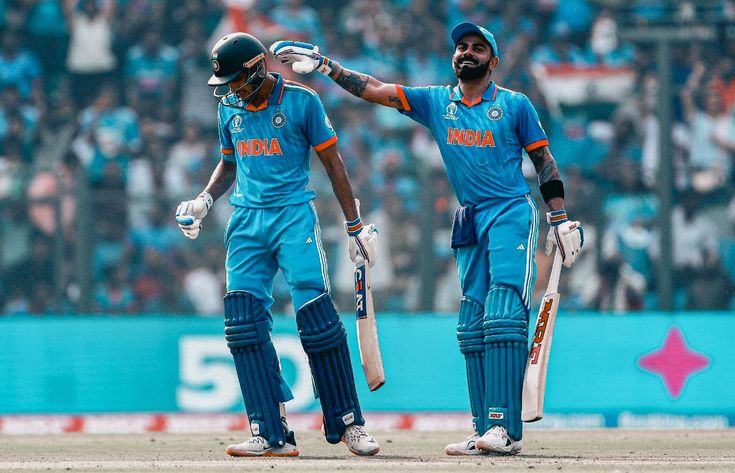
Indian sports viewing is no longer built around a single match or a single screen.
A fan may watch cricket in the afternoon, check a football fixture later, follow live scores on a phone, watch highlights, and then return to another live event at night.
This change is not simply about having more sports available. It reflects a broader shift in digital sports entertainment, where fans move between different types of live content depending on timing, interest, availability, and the experience offered.
Digital sports consumption now continues before, during, and after the actual match. Fans can move from live action to scores, highlights, analysis, social discussions, and other sports without treating each activity as a separate experience.
For audiences exploring Tigerexch vip and the wider digital sports environment, this shift is worth understanding. A modern sports fan does not necessarily choose between cricket and football. The same person can follow both in different situations.
Why Sports Fans Are Becoming Multi-Sport Viewers
The easiest way to understand this change is to look at how people consume entertainment today.
Traditional sports viewing often followed a simple pattern:
Match starts → fan watches → match ends → viewing stops.
Digital viewing has created a much longer cycle:
Discover → follow → watch → react → discuss → check updates → watch highlights → move to another event.
This creates more opportunities for fans to stay connected with sports throughout the day.
Digital platforms allow audiences to discover sports through different formats. A person might find a football match through a short video, follow its score on a mobile device, and later watch highlights without becoming a full-time follower of the sport.
That makes sports consumption more flexible.
The viewer does not always need to decide which single sport deserves attention for the entire day. They can simply follow whatever event is most interesting at a particular moment.
Cricket Still Matters, But It Is No Longer the Entire Digital Sports Journey
Cricket remains a major part of India’s sports culture.
However, digital platforms have changed what happens around cricket. Fans can now consume previews, analysis, reactions, short clips, interviews, statistics, and social discussions before and after the actual match.
This creates an important distinction:
Following cricket does not necessarily mean watching only live cricket.
A fan might spend time watching a match and then continue engaging with related digital content long after the final ball.
That same habit makes it easier to move into another sport.
If there is no cricket match worth watching at a particular time, a football match can fill the gap. If neither is live, highlights or analysis can keep the viewer engaged.
Digital entertainment therefore reduces the gap between different sports.
Football Is Becoming Part of the Broader Indian Sports Conversation
Football provides a useful example of changing sports-viewing behavior.
Major international football events can attract viewers who do not normally follow the sport closely. Digital distribution makes it easier for Indian audiences to discover matches, follow scores, watch highlights, and participate in online conversations.
The important point is not that every cricket fan suddenly becomes a football expert.
Instead, digital access reduces the barrier to trying something new.
A viewer can quickly understand:
- Who is playing
- What is happening
- How much time remains
- Why a particular moment matters
- What happened after the event
This makes live sports more accessible to casual viewers.
The same principle applies to other sports.
Tennis, motorsport, basketball, athletics, and other live competitions can attract temporary or occasional attention when an interesting event appears.
The Real Change: Fans Follow Moments, Not Just Sports
One of the most interesting changes is that fans can become interested in an event without becoming dedicated followers of the sport.
Consider a simple example.
A viewer may normally follow cricket but see that an important football match is taking place. They check the fixture, watch part of the game, notice a major moment, and then continue following the event through updates or highlights.
The viewer may not know every player or tactical detail.
But they can still enjoy the event.
This is different from traditional fandom, where detailed knowledge of a sport was often necessary to follow it closely.
Digital platforms reduce that barrier.
A person can quickly discover what is happening and decide whether the event is worth following.
This creates a more flexible form of sports fandom.
Why Mobile Devices Encourage Sports Switching
The smartphone has changed how people manage attention.
A television encourages a viewer to sit down and watch one programme.
A phone allows someone to switch between activities almost instantly.
A typical sports fan might:
- Watch a live match on television.
- Check another game’s score on a phone.
- Read a sports update.
- Watch a short highlight.
- Return to the main match.
- Check another fixture during a break.
This behavior is often described as multi-screen or second-screen consumption.
The important point is that these screens do not necessarily compete with each other.
They can complement one another.
A television can provide the main viewing experience, while a smartphone provides quick information, scores, updates, or social discussion.
This makes it much easier for fans to follow multiple sports during the same period.
What Makes Fans Switch From One Live Event to Another?
Several factors can influence the decision.
1. Timing
A cricket match may finish just as a football match begins.
Instead of ending their sports session, viewers can simply move to the next event.
2. Match Importance
A major event can attract people who do not normally follow that sport.
Finals, important fixtures, close finishes, and highly anticipated matches can all create temporary spikes in interest.
3. Convenience
Digital access makes it easier to check another sport without completely changing the viewing environment.
A fan can follow a second event through a phone while watching something else.
4. Social Conversation
Sports become more interesting when people are discussing them.
A major moment can spread across social platforms quickly, encouraging people to find out what happened.
5. Content Variety
Live matches are only one type of sports content.
Fans can switch between:
- Live games
- Highlights
- Analysis
- Interviews
- Statistics
- Short videos
- Commentary
- Fan reactions
This variety helps keep the sports experience active.
Tigerexch and the Broader Digital Sports Entertainment Concept
When people encounter Tigerexch in discussions about digital sports, it is useful to separate the platform name from the wider trend.
The larger development is the movement toward sports environments where users can encounter information from multiple sports and different types of content.
The broader Tigerxplay content environment already touches areas such as cricket exchange markets, live cricket information, sports entertainment, and gaming-related topics.
That makes a multi-sport digital-entertainment article relevant without turning it into another cricket-market explanation.
The focus should instead remain on how audiences behave.
A modern sports-entertainment environment can include:
| Content Type | What Attracts the Viewer |
|---|---|
| Cricket | Familiarity, statistics and live match drama |
| Football | International reach and continuous match action |
| Other sports | Variety and discovery |
| Live scores | Quick information |
| Highlights | Fast consumption |
| Analysis | Deeper understanding |
| Social content | Community and reactions |
| Short videos | Quick entertainment |
The important connection is not that every user consumes everything.
It is that digital platforms make switching between relevant experiences easier.
Why Convenience Is Becoming More Important Than Sport Loyalty
Sport loyalty still matters.
But convenience increasingly determines when and how people consume that sport.
A viewer may strongly prefer cricket but still watch football when a major match is available at a convenient time.
The same person might return to cricket later.
This means digital sports consumption is often based on a combination of:
- Personal interest
- Match timing
- Accessibility
- Content quality
- Social attention
- Convenience
The number of available sports is therefore only part of the equation.
How easily users can discover and move between those sports also matters.
The Rise of the Always-On Sports Fan
The modern fan does not need to be watching a match to remain engaged with sports.
They can follow updates while travelling, working, studying, eating, or relaxing.
This creates an ”always-on” sports environment.
For example:
Before a match:
A fan checks fixtures and previews.
During the match:
They follow live video, scores, or commentary.
After the match:
They watch highlights and reactions.
Later:
They may switch to another sport.
This cycle can continue even when there is no major cricket match taking place.
The result is a longer and more varied sports-consumption journey.
Why Multi-Sport Entertainment Can Be Better for Casual Fans
Not every sports viewer wants detailed statistics.
Some simply want something interesting to watch.
Multi-sport entertainment gives casual fans more choices.
If cricket becomes slow, football may offer a different pace. If a football match is not available, another sport or highlights package can provide an alternative.
This does not necessarily mean viewers have shorter attention spans.
It can mean digital platforms offer more ways to match content with the viewer’s current mood.
Someone looking for a two-hour live event behaves differently from someone looking for a five-minute update.
A good digital sports environment needs to accommodate both.
The Role of Personalization
As sports content grows, personalization becomes increasingly important.
Imagine opening a sports application and seeing dozens of matches.
More choices do not automatically mean a better experience.
A useful digital system should help users identify:
- Sports they frequently follow
- Matches happening soon
- Events they have previously viewed
- Important updates
- Relevant highlights
- Content in preferred languages
This reduces information overload.
Personalization can also help casual viewers discover sports they might otherwise ignore.
For example, someone who regularly follows cricket might receive football content only when it matches their broader interests or when a major event is taking place.
That is more useful than showing every available event.
What This Means for Sports Content Creators
The changing audience also affects sports publishers and bloggers.
A cricket-focused content strategy can still be valuable, but there is an opportunity to build connections between different sports.
Instead of publishing only:
”What happened in today’s cricket match?”
content creators can explore questions such as:
- Why do fans follow multiple sports?
- How do mobile viewers consume live events?
- Why are sports highlights becoming important?
- How does second-screen viewing change fandom?
- What makes a sports app useful?
- Why do fans continue engaging after a match ends?
These questions address the broader digital sports audience.
They also create opportunities to explain sports technology and user behavior without relying on repetitive betting or exchange terminology.
What Indian Sports Fans Should Look For in a Digital Sports Experience
A good digital sports environment should make information easier to understand, not simply provide more of it.
Clear Navigation
Users should quickly find the sport or event they want.
Reliable Information
Scores, fixtures, schedules, and other live information should be accurate and clearly presented.
Mobile Usability
Sports fans increasingly consume content on smaller screens, so interfaces need to remain easy to use.
Relevant Notifications
Alerts should be useful rather than overwhelming.
Multiple Content Formats
Different viewers prefer live video, statistics, short clips, commentary, or analysis.
Responsible Use
Sports entertainment should remain entertainment. Users should be able to control their time and spending rather than feeling pushed toward continuous activity.
Responsible Digital Sports Entertainment Matters
More content can create more opportunities for engagement, but it can also encourage people to spend excessive time online.
This is particularly relevant when sports content is combined with gaming or betting-related environments.
A healthy approach is to treat live sports as entertainment rather than a guaranteed financial opportunity.
Users should:
- Set reasonable time limits.
- Avoid chasing losses.
- Never treat betting as guaranteed income.
- Understand the risks before participating.
- Take breaks from continuous live activity.
- Follow applicable local rules.
The goal of digital sports entertainment should be an informed and enjoyable experience, not compulsive participation.
Key Takeaways
- Indian sports viewing is becoming increasingly multi-platform.
- Cricket remains central, but fans can easily explore football and other sports.
- Digital platforms allow fans to follow sports before, during, and after live events.
- Mobile devices make switching between sports much easier.
- Major sporting events can attract casual viewers beyond traditional fan groups.
- Convenience, reliable information, and organized content are important parts of digital sports experiences.
- Personalization can help users manage the growing amount of available sports content.
- The future of sports entertainment is likely to involve more multi-sport and multi-format viewing.
- More content is not automatically better; relevance and organization matter too.
Conclusion
The biggest change in Indian sports entertainment is not that fans have stopped supporting individual sports. It is that digital platforms have made it much easier to explore several sports within the same viewing journey.
Cricket can remain a fan’s primary interest while football, live scores, highlights, analysis, and other sports provide additional entertainment throughout the day.
For anyone exploring the broader digital sports ecosystem, cricket fits naturally into the discussion around connected sports content and changing digital viewing habits.
The strongest digital sports experiences will be those that help users discover relevant live content, understand what is happening, and move between different interests without unnecessary complexity.
FAQs
Why are Indian sports fans watching more than one sport?
Digital access has made it easier to discover and follow different sports. A viewer can move between cricket, football, and other events without needing to rely on one traditional viewing format.
Is cricket still the most important sport for Indian audiences?
Cricket remains extremely important in India, but digital viewing has expanded the range of sports audiences can easily discover and follow.
Why is football becoming more visible in India's digital sports market?
Major international events, wider digital distribution, social discussion, and convenient access can help football reach viewers who may not normally follow it closely.
What is multi-screen sports viewing?
Multi-screen viewing means using more than one device or screen while consuming sports content. For example, someone may watch a match on television while checking another game’s score on a smartphone.
Why do fans watch sports content after a match?
Post-match content provides highlights, analysis, reactions, statistics, and discussion. These formats allow fans to remain engaged even after the live event has finished.
Does having more sports content always improve the viewing experience?
No. Too much information can create overload. A useful digital sports experience should organize content around the user’s interests.
What makes a digital sports platform useful?
Clear navigation, accurate information, mobile-friendly design, relevant updates, useful statistics, and different content formats can improve the experience.
Can sports entertainment include gaming-related content?
It can, depending on the platform and applicable rules. However, users should distinguish entertainment from financial activity and understand the risks associated with betting or gaming.
Why are smartphones important for modern sports fans?
Smartphones allow users to check scores, watch short videos, read updates, follow another event, and communicate about sports without leaving their main viewing experience.
Will multi-sport viewing replace traditional sports fandom?
Not necessarily. Fans can remain strongly loyal to one sport while also exploring other sports when interesting events, convenient viewing options, or social conversations attract their attention.